($) USD (Default)
  • (€) EUR
  • ($) CAD
  • (£) GBP

Explore Potential Benefits of Hexarelin and CJC-1295 No DAC

Benefits of Hexarelin and CJC-1295 No DAC
Table of Contents

The Potential Benefits of Hexarelin and CJC-1295 No DAC Estonia

In peptide research, growth hormone-releasing peptides have gained significant attention. These synthetic peptides are studied for their potential to influence physiological processes and endocrine signaling. Among the various peptides available, Hexarelin and CJC-1295 without DAC (Drug Affinity Complex) are commonly examined for growth hormone stimulation.

This guide explores these peptides, focusing on their mechanisms of action, potential benefits, applications and research considerations. Based on available research, Hexarelin and CJC-1295 No DAC may interact in ways relevant to research settings, without making definitive claims.

What Are Peptides and Their Role in the Human Body?

Peptides are short chains of amino acids that act as signaling molecules within the human body. These molecules play important roles in various physiological functions, including growth hormone release, insulin regulation and immune response.

Synthetic peptides, such as Hexarelin and CJC-1295 No DAC, mimic naturally occurring peptides and modulate specific biological responses. For instance, these peptides are being studied as growth hormone secretagogues, targeting processes involved in growth hormone signaling and endocrine function.

Shop Peptide Supplies from Direct Sarms Estonia for all your reconstitution requirements.

Understanding Hexarelin: A Synthetic Growth Hormone Secretagogue

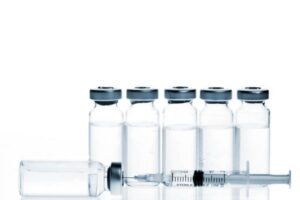
Buy hexarelin peptide vial Estonia from direct sarms

Hexarelin is a synthetic peptide classified as a growth hormone secretagogue. This means it stimulates the release of growth hormone (GH) from the pituitary gland. Estonia Research indicates that Hexarelin acts through specific receptors in the hypothalamus and pituitary, including the growth hormone secretagogue receptor, similar to the natural hormone ghrelin. 

Mechanism of Action

Hexarelin acts as a ghrelin receptor agonist, stimulating growth hormone secretion. Studies suggest that this process involves both direct pituitary stimulation and hypothalamic signaling pathways that promote GH release.

Potential Benefits of Hexarelin

  • Muscle growth: May support lean mass through increased growth hormone signaling.
  • Fat metabolism: Research suggests growth hormone secretagogues may influence lipid metabolism.
  • Recovery support: Growth hormone plays a role in tissue repair and recovery processes.
  • Immune and physiological effects: Experimental studies suggest Hexarelin may modulate inflammatory and metabolic pathways.

Direct Sarms offers high quality Hexarelin for sale in various formulations.

Exploring CJC-1295 No DAC Estonia: A Growth Hormone-Releasing Hormone Analog

CJC-1295 No-DAC-Vial

CJC-1295 without DAC, also known as MOD-GRF (1-29), is a modified version of Growth Hormone-Releasing Hormone (GHRH). Unlike versions with DAC, this peptide has a shorter half-life, resulting in a more controlled, pulsatile release of growth hormone.

How CJC-1295 No DAC Works

CJC-1295 No DAC stimulates growth hormone production by mimicking GHRH and binding to receptors in the pituitary gland. This promotes natural growth hormone pulses and increases endogenous GH levels. The absence of DAC leads to a shorter duration of action, allowing more controlled growth hormone release patterns.

Potential Benefits of CJC-1295 No DAC

  • Improved lean mass support: Associated with increased growth hormone signaling
  • Fat metabolism: Growth hormone release may influence lipolysis
  • Sleep support: Growth hormone is naturally linked to sleep-related secretion patterns
  • Pulsatile GH release: Short half-life allows controlled growth hormone stimulation

Hexarelin and CJC-1295 No DAC Estonia: A Dynamic Duo

Hexarelin and CJC-1295 No DAC Estonia

Research indicates that growth hormone-releasing peptides (GHRPs), such as Hexarelin, and growth hormone-releasing hormone (GHRH) analogs, such as CJC-1295, act through distinct but complementary pathways.

Hexarelin stimulates GH release through growth hormone secretagogue receptors in the hypothalamus and pituitary, while GHRH analogs promote pituitary-mediated GH secretion. Studies have reported synergistic GH release when Hexarelin is combined with GHRH, supporting complementary activity.

Research Considerations

Current research on combined GH-modulating peptides remains limited. Most findings are derived from controlled experimental studies examining endocrine signaling and GH pulsatility rather than long-term outcomes.

Potential Risks

Studies on growth hormone secretagogues report possible physiological effects, including changes in hormone signaling and metabolic responses. However, available safety data remain limited due to small study sizes and short durations.

The Role of Peptides in a Research-Focused Strategy

Peptides such as Hexarelin and CJC-1295 without DAC have been studied for their effects on growth hormone signaling and physiological processes. Growth hormone secretion is regulated by hypothalamic and pituitary pathways, primarily involving growth hormone-releasing hormone (GHRH), somatostatin and ghrelin signaling. These endocrine mechanisms form the basis of research involving growth hormone secretagogues and GHRH analogs.

Research and Ethical Considerations

Research by investigators, including Mao Y. and Tokudome T., has explored the biological activity of Hexarelin, including cardiovascular and metabolic effects, by activating the growth hormone secretagogue receptor (GHSR). However, current literature emphasizes caution due to limited long-term human data, and further research is required to better understand these mechanisms and potential applications.

Final Thoughts

Hexarelin and CJC-1295, without DAC, are studied for their roles in growth hormone regulation. Hexarelin acts as a growth hormone secretagogue by activating receptors in the hypothalamus and pituitary, whereas CJC-1295, a modified GHRH analog, has been shown in early studies to increase growth hormone secretion while preserving pulsatile release patterns.

However current evidence remains limited, with most findings derived from pre clinical or small human-studies. Reviews of growth hormone secretagogues highlight the need for further controlled research to determine long-term safety and physiological effects.

Hexarelin and CJC-1295 No DAC remain investigational peptides supplied for research purposes only and are not approved for human or veterinary use. Regulatory sources also note limited clinical data and reported safety concerns associated with unapproved peptide compounds.

References:

(1) Teichman SL, Neale A, Lawrence B, Gagnon C, Castaigne JP, Frohman LA. Prolonged stimulation of growth hormone (GH) and insulin-like growth factor I secretion by CJC-1295, a long-acting analog of GH-releasing hormone, in healthy adults. J Clin Endocrinol Metab. 2006 Mar;91(3):799-805.

(2) Alba M, Fintini D, Sagazio A, Lawrence B, Castaigne JP, Frohman LA, Salvatori R. Once-daily administration of CJC-1295, a long-acting growth hormone-releasing hormone (GHRH) analog, normalizes growth in the GHRH knockout mouse. Am J Physiol Endocrinol Metab. 2006 Dec;291(6):E1290-4.

Discover the FULL range of Peptide Stacks from Direct SARMs online today!

Frequently Asked Questions

Can Hexarelin and CJC-1295 No DAC influence connective tissue or joint recovery?

Hexarelin and CJC-1295 No DAC may influence connective tissue indirectly by increasing growth hormone activity. Growth hormone supports collagen production and tissue repair processes. Research does not confirm direct joint regeneration. However, elevated growth hormone may support connective tissue maintenance and recovery conditions in controlled research environments.

Does Hexarelin and CJC-1295 No DAC increase IGF-1 levels indirectly?

Hexarelin and CJC-1295 No DAC can increase IGF-1 levels indirectly by stimulating endogenous growth hormone release. Growth hormone signals the liver to produce IGF-1. This process depends on growth hormone response and exposure duration. These peptides do not directly supply IGF-1 but influence its downstream production.

Can Hexarelin and CJC-1295 No DAC affect appetite or hunger signals?

Hexarelin activates the ghrelin receptor which regulates hunger signaling. Research shows this activation can increase appetite in some models. CJC-1295 No DAC does not directly stimulate hunger pathways. Appetite changes appear more closely linked to ghrelin receptor activity rather than growth hormone release alone.

Do Hexarelin and CJC-1295 No DAC impact insulin sensitivity or glucose levels?

Hexarelin has demonstrated effects on glucose regulation and insulin sensitivity in animal studies. Growth hormone stimulation can alter glucose metabolism. Limited human data exist for CJC 1295 No DAC. Growth hormone–related metabolic changes may affect blood sugar balance, making glucose monitoring relevant in research settings.

Can Hexarelin and CJC-1295 No DAC cause ghrelin receptor desensitization?

Repeated Hexarelin exposure can reduce growth hormone response over time, indicating partial ghrelin receptor or signaling pathway desensitization. This effect appears with continuous or long-term stimulation. Data on CJC 1295 No DAC are limited, but prolonged stimulation of growth hormone pathways may reduce responsiveness.


ALL CONTENT AND PRODUCT INFORMATION AVAILABLE ON THIS WEBSITE IS FOR EDUCATIONAL PURPOSES ONLY.

DISCLAIMER: These products are intended solely as a research chemical only. This classification allows for their use only for research development and laboratory studies. The information available on our Direct Sarms website is provided for educational purposes only. These products are not for human or animal use or consumption in any manner. Handling of these products should be limited to suitably qualified professionals. They are not to be classified as a drug, food, cosmetic, or medicinal product and must not be mislabelled or used as such.

More To Explore